Envie-nos um e-mail :
info@labcompanion.cn
-

-

Solicitando uma chamada :
+86 18688888286
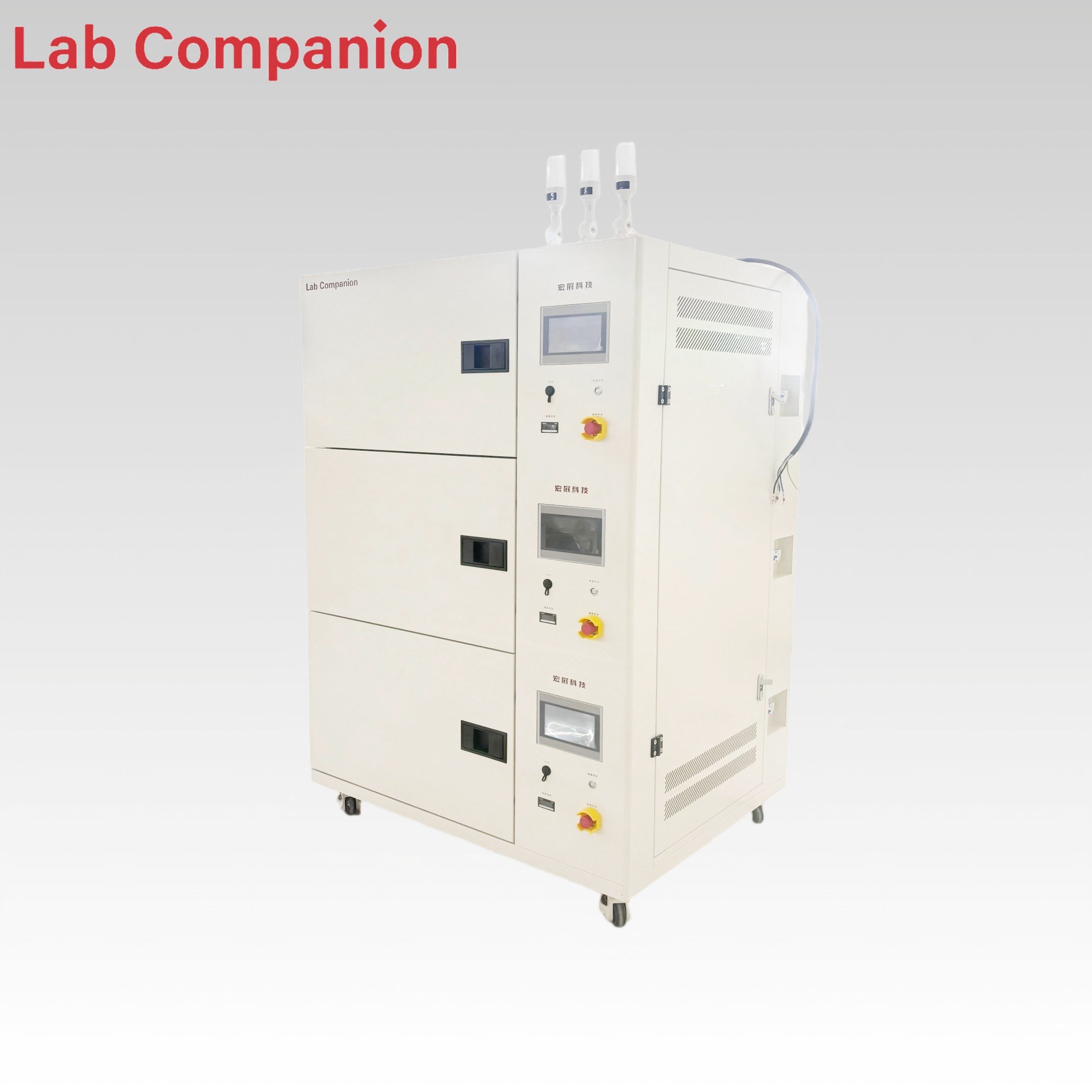
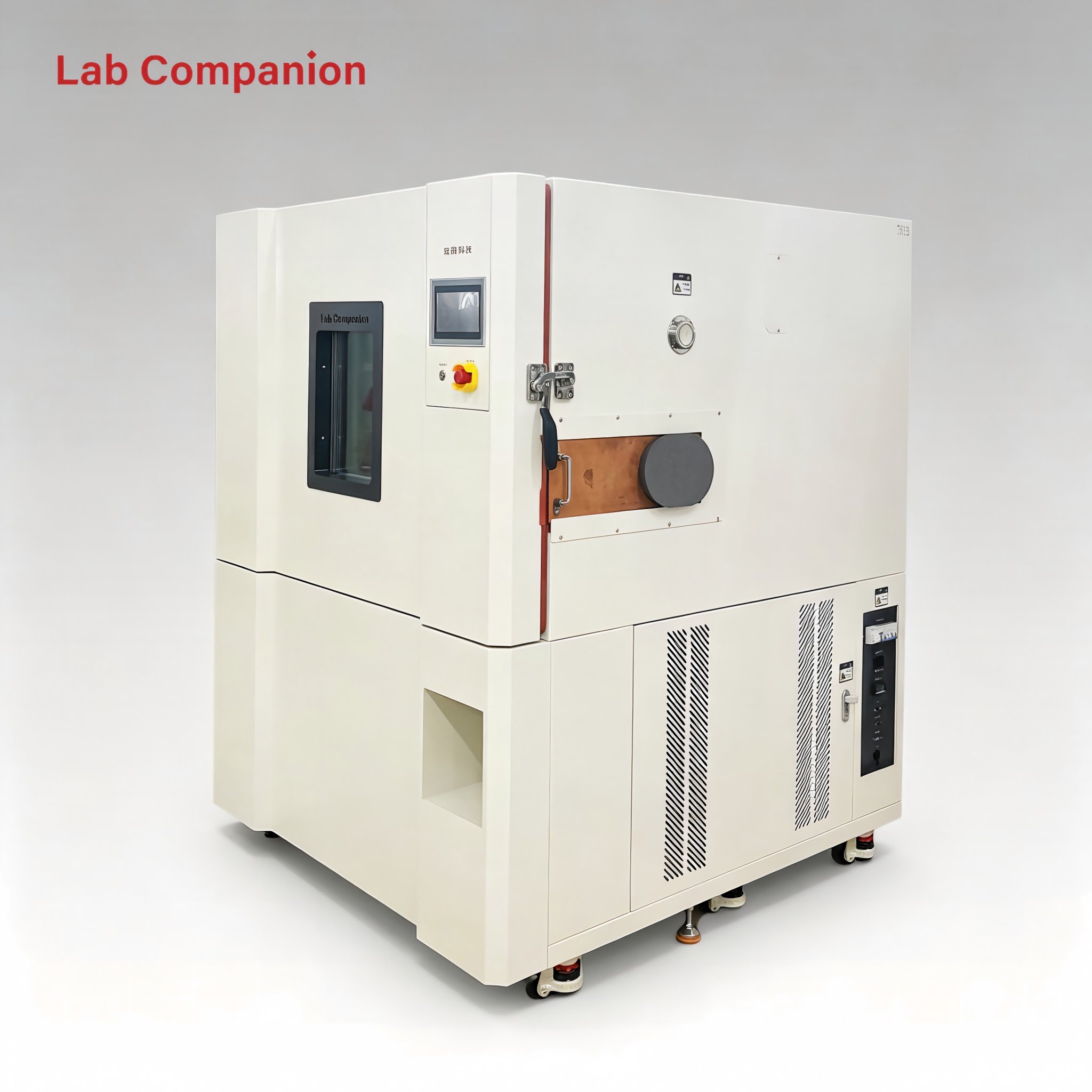
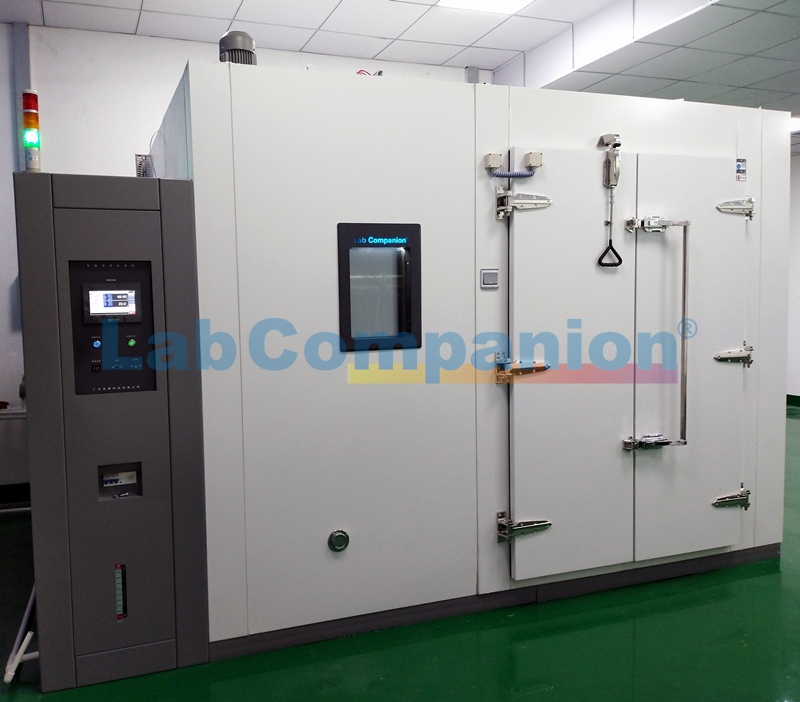
Unlocking the AI Potential: Advanced Temperature Testing for Critical Electronics Artificial Intelligence (AI) has rapidly become a driving force in our modern world, revolutionizing industries and enhancing our daily lives in countless ways. As AI continues to evolve and reach new heights, so too does the need for advanced temperature testing in the critical electronics that power these intelligent systems. The role of advanced temperature testing cannot be overstated – it ensures the reliability, longevity, and optimal performance of AI technology, allowing it to excel in even the most demanding applications. Test chambers, particularly thermal cycling test chambers, act as the backbone of accelerated life testing through temperature stressing for critical electronics. These chambers provide controlled environments where temperature fluctuations can be precisely and efficiently monitored, replicated, and analyzed. They are designed to withstand rigorous testing protocols, enabling researchers and engineers to simulate and evaluate the effects of extreme temperatures on the performance and reliability of AI components. Thermal cycling test systems, such as small test chambers and small thermal chambers, offer even greater flexibility and efficiency in the testing process. These compact units are specifically crafted to accommodate smaller, critical electronics, allowing for targeted thermal stressing without compromising accuracy or replicability. By subjecting AI components to a range of temperatures and conducting precise temperature cycling tests, engineers can assess their integrity under various operating conditions and develop robust solutions to tackle any challenges that may arise. Thermal chambers, also known as temperature chambers, are indispensable tools in the AI industry. They provide a controlled and stable thermal environment, mimicking the conditions that critical electronics might encounter in real-world scenarios. This comprehensive testing approach ensures that components can withstand extreme temperatures, thermal shocks, and thermal cycling, guaranteeing reliable and uninterrupted AI performance. This accelerated life testing plays a pivotal role in the development and optimization of critical electronics for AI applications. Thermal cycling test chambers provide indispensable tools for engineers to meticulously examine the effects of temperature fluctuations on the performance and reliability of AI systems.Through rigorous testing, researchers can unlock the full potential of AI while fostering innovation and pushing the boundaries of what this incredible technology can achieve. Temperature Cycling Benefits Temperature cycling is a crucial aspect when it comes to the development and thermal management of critical electronics in the field of artificial intelligence (AI). This rigorous testing process of AI chips enables engineers and technicians to accurately assess the performance and reliability of various electronic components and systems operating under different temperature conditions. By subjecting the critical electronics to extreme temperatures, such as both high and low extremes, temperature testing offers an array of benefits in ensuring the optimal functionality and resilience of AI systems. One of the key advantages of advanced thermal testing is its ability to reveal potential flaws or weaknesses in critical electronics. With the use of specialized test chambers and temperature test systems, engineers can simulate real-world operating conditions and investigate the behavior of the electronic components at different temperatures. By identifying any potential issues in the early stages, temperature testing allows for necessary modifications and enhancements, thereby minimizing the risk of failures or malfunctions in AI systems. Furthermore, thermal stressing aids in optimizing the performance and stability of critical electronics. By subjecting the components to controlled temperature cycles, known as temperature cycling tests, engineers can evaluate the thermal response of the electronics and ensure their ability to withstand temperature variations. This process helps in enhancing the overall efficiency of AI chips, as it ensures that the electronics can maintain their functionality and reliability even in demanding environments and varying conditions. Another significant benefit of temperature testing lies in its contribution to the longevity of critical electronics. By carefully analyzing the effects of temperature on the components, engineers can identify potential degradation factors and design strategies to mitigate them. Through this process, temperature testing enables the development of robust electronics that can endure prolonged usage without compromising their performance, thereby extending the lifespan of AI systems and reducing the need for frequent repairs or replacements. In conclusion, advanced temperature stressing plays a vital role in ensuring the efficiency, reliability, and longevity of critical electronics used in the field of AI. By uncovering potential flaws, optimizing performance, and enhancing the resilience of the components, temperature testing enables engineers to unlock the full potential of AI systems. It serves as an essential tool for maintaining the integrity and functionality of critical electronics, ultimately leading to advancements in AI technology. Advanced Test Chamber Technologies In the world of critical electronics, advanced temperature testing is essential to ensure the reliability and performance of AI systems. Test chambers equipped with cutting-edge technologies play a pivotal role in this process, providing engineers with precise control over temperature conditions. These state-of-the-art environmental test chambers offer a range of innovative features that enable comprehensive temperature testing for critical electronics. One such technology is the development of small test chambers that are compact yet highly efficient. These small thermal chambers come equipped with advanced temperature control systems, allowing engineers to create and maintain precise and stable temperature environments. With their smaller footprint, these chambers offer flexibility in terms of installation and can be conveniently integrated into existing testing facilities. Additionally, thermal chambers have been revolutionized with temperature cycling test capabilities. These chambers can rapidly cycle through a wide range of temperatures, simulating real-world scenarios and exposing the critical electronics to extreme conditions. By subjecting the components to temperature variations, engineers can evaluate their performance and identify any potential weaknesses, ensuring the reliability of AI systems in demanding environments. Moreover, temperature chambers now incorporate advanced temperature test systems that provide accurate and consistent temperature control throughout the testing process. With precise temperature regulation mechanisms, these chambers eliminate temperature deviations and fluctuations, enabling engineers to obtain more reliable and repeatable test results. This level of control is paramount in evaluating the thermal behavior of AI Chips and optimizing their performance. In conclusion, advanced test chamber technologies have greatly enhanced the temperature testing capabilities for critical electronics in the field of AI. With the advent of small thermal chambers, temperature cycling test capabilities, and advanced temperature control systems, engineers can unlock the full potential of AI systems by ensuring their robustness and reliability in various operating conditions. Applications of Temperature Cycling Testing Temperature cycling plays a crucial role in the field of AI chips. It enables us to assess and ensure the performance, reliability, and durability of various components and systems that power AI technology. Here are three key applications of temperature testing: 1. Optimizing Thermal Dissipation: Excessive heat can significantly impact the functionality and longevity of critical electronics in AI systems. Temperature testing allows engineers to identify and understand thermal dissipation characteristics, ensuring that appropriate measures are taken to prevent overheating. By evaluating how different components perform under various temperature conditions, engineers can optimize thermal management strategies to enhance system efficiency and prevent potential failures. 2. Validating Component Performance: Temperature testing is instrumental in verifying the performance of individual electronic components used in AI chips. By subjecting these components to controlled temperature environments, engineers can assess their reliability, functionality, and lifespan. This testing ensures that components can withstand the thermal stresses encountered during their usage, guaranteeing robust and dependable performance in AI applications. 3. Assessing System Resilience: AI systems often operate in diverse environments, ranging from extreme cold to intense heat. Temperature testing helps evaluate the resilience of critical electronics under these varying conditions. By exposing AI systems to temperature extremes, engineers can identify potential weaknesses and vulnerabilities, allowing them to refine and reinforce the system’s design. This testing ensures that AI technology can withstand challenging environmental conditions, making it more reliable and capable of delivering consistent performance. In summary, temperature testing and stressing is a vital tool in unlocking the potential of critical electronics in AI systems. It enables engineers to optimize thermal dissipation, validate component performance, and assess system resilience. Through this testing, AI technology can operate more efficiently, reliably, and safely in a wide range of environments, further advancing its capabilities and potential.
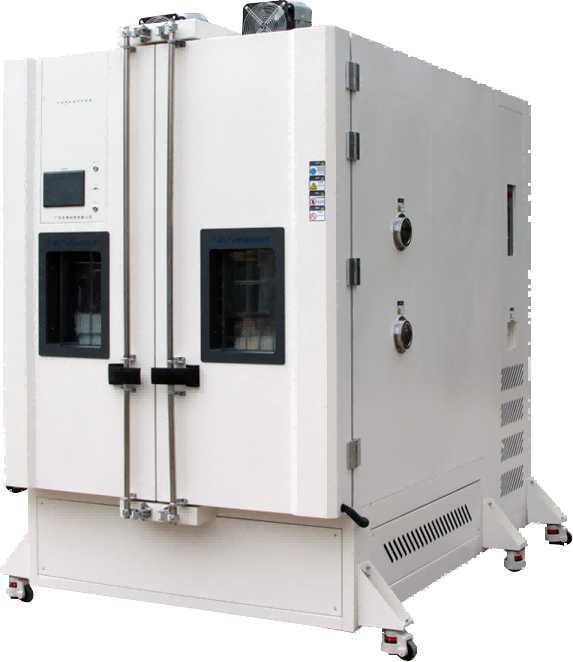
LabCompanion launched two new walk-in temperature and humidity chambers for high heat-generation loads in December 2025 for AI server reliability testing. These new chambers are capable of testing under heat-generation loads of 30kW and 60kW, assuming actual server operation conditions. As the use of generative AI expands, demand for AI servers continues to grow, and these servers play an increasingly important role in social infrastructure. At the same time, the high-performance semiconductors used in AI servers generate greater heat due to increased integration and density, resulting in increasingly harsh operating environments.Under these conditions, demand is rising for testing to ensure reliability during AI server development and quality evaluation. In addition, ASHRAE*1 testing standards are recommended for server reliability evaluation, driving demand for equipment that both complies with these standards and supports high heat-generation loads. LabCompanion's newly launched walk-in chambers use a proprietary control system to precisely control temperature and humidity under heat-generation loads of 30kW and 60kW, assuming AI server operation, enabling testing compliant with ASHRAE standards for server reliability evaluation. A newly adopted air circulation system also reduces the impact of exhaust heat from AI servers, ensuring a uniform temperature and humidity environment in the test area and enabling efficient testing without heat buildup. Furthermore, a newly developed air-conditioning system reduces power consumption while also achieving a more space-saving design. These products contribute to ensuring the reliability of AI servers equipped with high-performance semiconductors and power supplies that generate large amounts of heat. As a leading manufacturer of environmental test chambers, LabCompanion remains committed to providing and expanding environmentally conscious products and services that contribute to addressing challenges and supporting the advancement of advanced technology fields such as AI semiconductors and data centers. Walk-in Temperature & Humidity Chamber for High Heat-Generation Loads ■ Overview of Walk-in Temperature & Humidity Chamber for High Heat-Generation Loads 1. Support for high heat-generation loads of AI servers Even under high-temperature, high-humidity conditions (e.g., 40°C and 95%), the chambers maintain a uniform temperature distribution within the test area under heat-generation loads of 30kW and 60kW, assuming AI server operation. 2. Uniform AI server inlet temperature distribution for standard-compliant testing The air circulation system in the test area includes ducts in the ceiling with outlets positioned at the AI server inlet area, as well as partition panels separating the front and rear server zones. This design prevents recirculation of server exhaust heat, ensuring a uniform inlet temperature distribution and enabling testing compliant with applicable test standards. The perforated panels across the entire wall surface at the air-conditioning inlet also allow efficient recovery of exhaust heat while preventing accumulation in the test area. 3. Newly developed air-conditioning system for improved energy and space savings Use of standard air-conditioning systems is possible with the addition of a hot-water cooler to the existing air-conditioning system, thereby reducing the overall refrigeration equipment capacity even for high heat-generating test specimens such as AI servers. As a result, the system achieves greater energy savings and a compact footprint even with support for high heat-generation loads (patent pending). <Main Specifications> Model 30kW type 60kW type Temperature range -40°C to +80°C Humidity range Capacity 29m3 48m3 Test area dimensions W3000 × H3200 × D3000 mm W5000 × H3200 × D3000 mm Installation area W3130 × H3655 × D3880 mm W5130 × H3655 × D3880 mm *1 ASHRAE testing standardsASHRAE is the abbreviation for the American Society of Heating, Refrigerating and Air-Conditioning Engineers and refers to the test standards established by this organization. Tests based on these standards are conducted to evaluate whether AI servers operate properly under high-load, high-heat conditions. ■ Semiconductor-related equipment lineup LabCompanion offers a product lineup centered on "thermal solutions" for semiconductor technology development and reliability testing. Click the link below for LabCompanion's products for front-end and back-end semiconductor manufacturing processes, inspection, and reliability testing.Advanced Semiconductor Testing Equipment
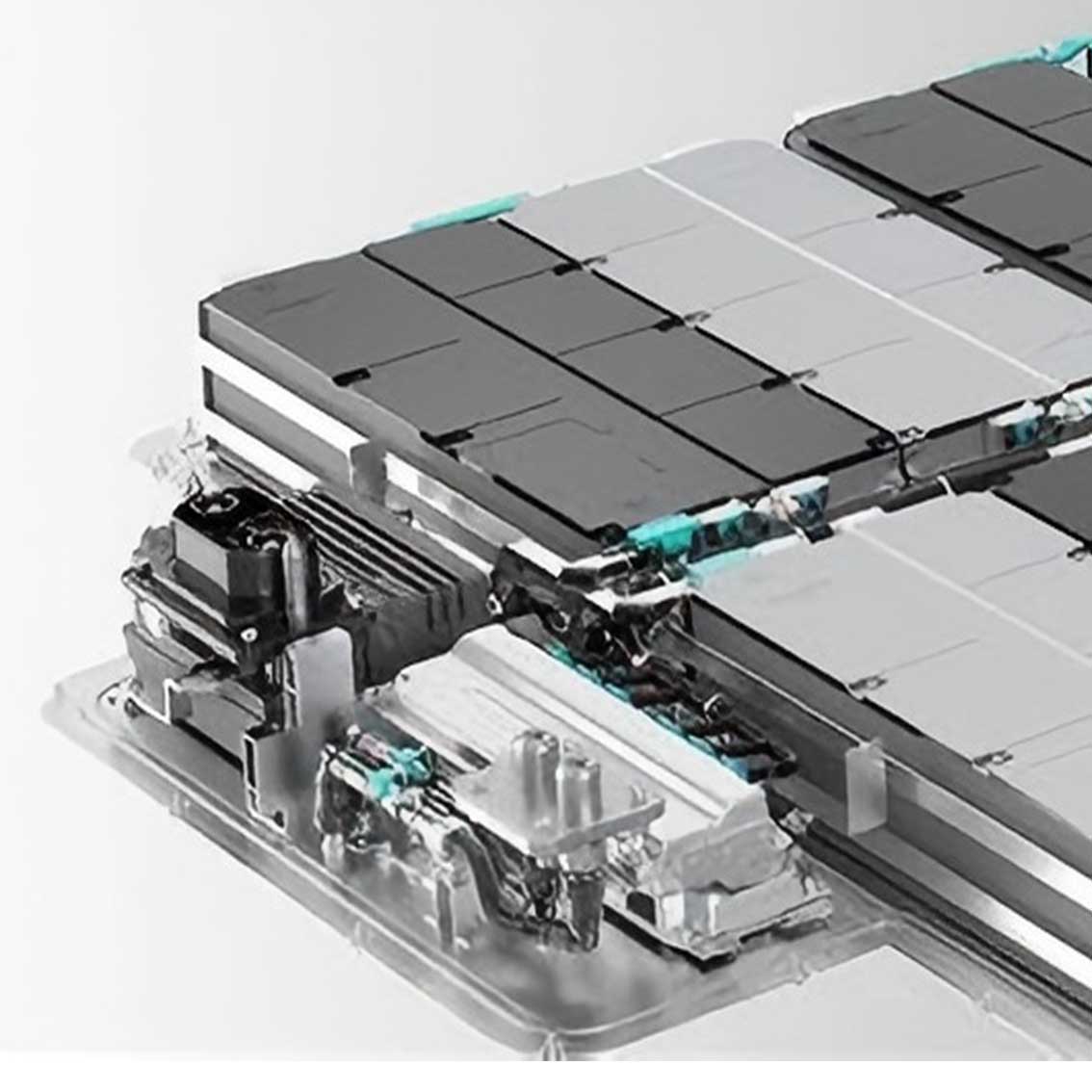
Os pacotes de bateria integram várias células com um BMS e controles térmicos para energia estável. Os principais usos incluem EVs, armazenamento de energia, eletrônicos, drones e dispositivos médicos. Exemplos: 4680 da Tesla e Blade Battery da BYD. O teste de temperatura e umidade de conjuntos de baterias é uma avaliação crítica de seu desempenho e confiabilidade sob condições térmicas e higrométricas variáveis. Para simular ambientes operacionais do mundo real, os conjuntos de baterias devem passar por testes abrangentes em diversas condições, incluindo baixa temperatura com baixa umidade (LT/LH), baixa temperatura com alta umidade (LT/HH) e alta temperatura com alta umidade (HT/HH). Com base em estudos de caso reais, este artigo analisa os requisitos técnicos que uma câmara de teste de temperatura e umidade constantes deve atender para conduzir essas avaliações de forma eficaz. Principais requisitos técnicos para câmaras de teste: Faixa de temperatura: Capaz de atingir condições extremas (por exemplo, -40°C a +85°C) com alta estabilidade (±0,5°C). Faixa de umidade: Ajustável de 10% a 98% UR, garantindo precisão (±2% UR). Taxas de rampa: Velocidades de transição de temperatura/umidade controláveis (por exemplo, ≥1°C/min) para simular mudanças ambientais rápidas. Uniformidade: Mantenha uma distribuição consistente de temperatura (±1°C) e umidade (±3% UR) no ambiente de trabalho. Registro de dados: Monitoramento e registro em tempo real de parâmetros de teste para conformidade com padrões (por exemplo, ISO 16750, GB/T 31467). Características de segurança: Projeto à prova de explosão, detecção de vazamentos e protocolos de desligamento de emergência para cenários perigosos. Condições de teste ambiental da bateria1. Teste de temperaturaTeste de alta temperatura: simula a operação ou armazenamento do veículo em climas quentes. As temperaturas de teste geralmente variam de 45°C a 70°C, dependendo dos padrões (por exemplo, ISO, GB ou especificações do cliente). Os itens de teste incluem: Armazenamento em alta temperatura Ciclismo de alta temperatura Descarga de alta temperatura Teste de Baixa Temperatura: Simula a operação ou armazenamento do veículo em climas frios. As temperaturas de teste geralmente variam de -40°C a -20°C, dependendo dos padrões. Os itens de teste incluem: Armazenamento em baixa temperatura Inicialização em baixa temperatura Ciclismo de baixa temperatura Descarga de baixa temperatura Teste de choque térmico: simula flutuações rápidas de temperatura (por exemplo, -40 °C ↔ 70 °C) para avaliar a resistência da bateria ao estresse térmico extremo. Teste de fuga térmica: simula curtos-circuitos internos/externos para avaliar a eficácia dos mecanismos de segurança e gerenciamento térmico da bateria, evitando explosões ou incêndios. 2. Teste de umidadeTeste de ciclo de calor úmido: simula ambientes de alta temperatura e alta umidade (por exemplo, 40 °C / 95% UR) para avaliar a resistência à corrosão e o desempenho da vedação. 3. Teste de névoa salinaTeste de corrosão por névoa salina: simula ambientes costeiros de alta salinidade para verificar a resistência à corrosão da bateria. 4. Teste à prova d’águaTeste de entrada de água: simula a exposição à água (por exemplo, imersão, chuva) para validar o desempenho da impermeabilização (avaliado pela classificação de proteção IP). 5. Teste à prova de poeiraTeste de entrada de poeira: simula ambientes com alto teor de poeira (por exemplo, desertos) para verificar a integridade da vedação. 6. Teste de baixa pressãoTeste de simulação de altitude: simula mudanças na pressão atmosférica em diferentes elevações para avaliar a adaptabilidade da bateria. Especificações técnicas para câmara de teste de temperatura e umidade constantes(Em conformidade com os requisitos do cliente) Dimensões da câmaraDimensões internas (L×P×A): 3000 × 2000 × 2000 mm Requisitos funcionais1. Faixa de temperatura: -60°C a +150°C 2. Taxa de aquecimento: ≥1°C/min (média, sob carga: 1T, saída de calor de 5kW) de -40°C a +125°C 3. Taxa de resfriamento: ≥1°C/min (média, sob carga: 1T, saída de calor de 5kW) de +125°C a -40°C 4. Resolução de temperatura: 0,01°C 5. Flutuação de temperatura: ≤±0,2°C (sem carga) 6. Desvio de temperatura: ≤±2°C 7. Uniformidade de temperatura: ≤2°C (sem carga) 8. Operação contínua em baixa temperatura: 1000 horas em baixa temperatura sem formação de gelo (requer sistema de ar seco) 9. Resolução de umidade: 0,1% UR 10. Flutuação de umidade: ≤±2,5% UR 11. Desvio de umidade: ≤+3% UR (quando >75% UR) ≤±5% UR (quando
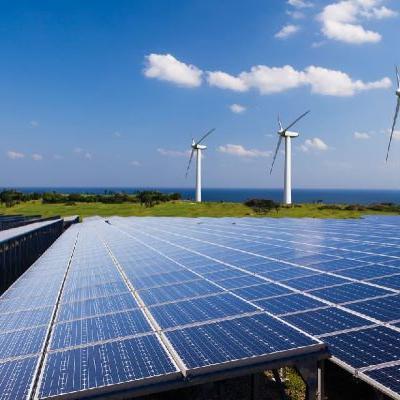
Com base em novas tecnologias e novos materiais, modernizaremos o desenvolvimento e a utilização da energia renovável tradicional. Substituiremos a energia fóssil por energia renovável que tem recursos limitados e polui o meio ambiente. Entre elas, energia solar, energia eólica, energia de biomassa, energia das marés, energia geotérmica, energia de hidrogênio e energia nuclear são as principais energias de desenvolvimento determinadas pelas Nações Unidas. Os coletores e conversores de nova energia geralmente precisam ser colocados no ambiente externo, portanto, a detecção desses materiais e design de equipamentos é uma parte importante.
Clique para ver as últimas informações da empresa
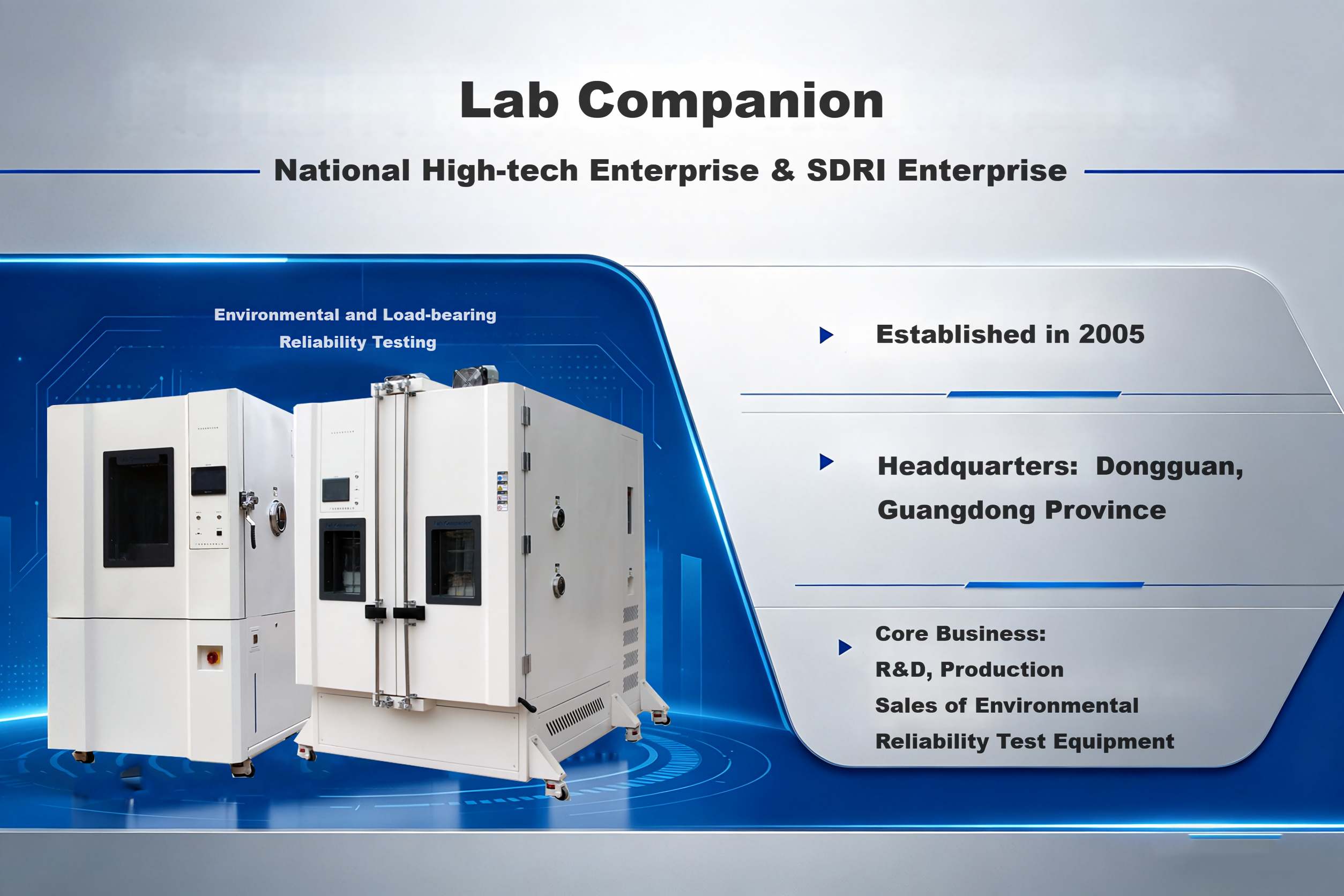
Lab Companion — Your Reliable Partner for Environmental Reliability Testing With 21 years of professional experience in environmental simulation equipment, Lab Companion focuses on designing and manufacturing high-precision, energy-efficient temperature and humidity test chambers. Our equipment is widely adopted in new energy, semiconductors, automotive electronics, aerospace and military industries for product reliability and weathering validation. Featuring wide temperature range, high control accuracy, uniform airflow and intelligent PID regulation, Lab Companion test chambers fully comply with global industrial standards including GB/T, IEC, MIL, JIS and GJB, delivering stable and repeatable test results for quality certification and R&D validation. 1. Product Introduction Lab Companion temperature humidity test chambers simulate high temperature, low temperature, constant temperature & humidity, and alternating humidity-temperature environments. They are used to evaluate product weather resistance, structural stability and environmental reliability. Equipped with modular refrigeration, multi-sensor fusion control and variable-frequency energy-saving technology, our product lineup covers standard volumes from 80L to 1000L, as well as customized walk-in chambers for large-scale testing. Product Series • Standard Temperature & Humidity Chamber — with full humidity control function • Standard Temperature-only Chamber — for dry high/low temperature cycling • Rapid Temperature Change Chamber — rate optional: 5℃/min ~ 20℃/min • Custom Walk-in Environmental Chamber — customized size and performance 2. Standard Technical Specifications Item Specification Internal Volume 80L / 150L / 225L / 408L / 800L / 1000L (custom available) Temperature Range -70℃ ~ +180℃ (-20℃ / -40℃ low-start optional) Temperature Fluctuation ≤ ±0.3℃ (actual performance better) Temperature Uniformity ≤ 2.0℃ Average Heating Rate ≥ 3℃/min (-70℃ → +180℃) Average Cooling Rate ≥ 1.2℃/min (+180℃ → -70℃) Humidity Range 20%RH ~ 98%RH Humidity Fluctuation ≤ ±2.0%RH Humidity Uniformity ≤ 3.0%RH Power Supply 380V ±10%, 50Hz, 3-phase 5-wire Cooling Method Air cooling / Water cooling (optional) Note: Rapid temperature change models support 5~20℃/min via parallel compressor configuration and high-power refrigeration system. 3. Structure & Material Component Description Outer Cabinet Cold-rolled steel with electrostatic powder coating, corrosion-resistant and easy to clean Inner Chamber SUS304 stainless steel, rounded corner design, no dead angle for easy cleaning Insulation Layer 100mm thick high-density polyurethane + fiberglass, anti-condensation and low heat loss Door Sealing Double-layer high/low temperature resistant silicone seal with anti-condensation heating system Observation Window Three-layer vacuum tempered glass with auto defogging function Test Port φ50mm standard port (expandable to φ100mm) with silicone plug Shelf 2 layers adjustable stainless steel racks, single layer load ≥50kg 4. Refrigeration, Heating & Humidifying System 4.1 Refrigeration System Lab Companion adopts advanced cascade dual-stage refrigeration system with imported compressors to ensure stable cooling performance under extreme temperatures. • Compressor: Fully/half hermetic compressors (Tecumseh / Bitzer) • Refrigerant: Eco-friendly R404a + R23 • Condenser & Evaporator: High-efficiency fin-type heat exchanger for fast and uniform heat exchange • Energy-saving Control: Electronic expansion valve + PID adaptive cooling adjustment, 25% lower power consumption than traditional models 4.2 Heating & Humidifying System • Heater: Nickel-chromium finned heater with SSR non-contact control, fast response and long service life • Humidifier: Boiler-type steam humidification with auto water supply, no overshoot and fast humidity response • Water Requirement: Pure water / distilled water (≥10kΩ·cm); optional RO water purification system 5. Q8 Intelligent Control System Lab Companion self-developed Q8 Touch Controller provides precise regulation, flexible programming and complete data management. Function Performance Display 7/10-inch TFT color touch screen (800×480) Program Capacity 120 groups, max 100 segments per group (cycle / link / jump available) Operation Mode Program cycle / Constant value long-term operation Data Recording Real-time curve display, 1+ year data storage, USB export Communication RS232 / RS485 / LAN (Modbus TCP optional) Alarm System Auto fault diagnosis, error code display and history record Security Lock 3-level password authority (Operator / Engineer / Manufacturer) Language English / Chinese / Custom multi-language 6. Core Advantage: Optimized Air Circulation System Lab Companion adopts upgraded duct circulation design to eliminate temperature and humidity dead zones, especially suitable for precision electronic components. • High-flow centrifugal fan + adjustable air deflector for uniform internal airflow • Adjustable wind speed: 0.5~3.0m/s, avoiding direct strong wind impact on delicate samples • 30% higher temperature uniformity and 20% faster humidity stabilization than traditional designs • Ideal for PCB, chips, optical components and low thermal-mass products 7. Full Safety Protection Multiple redundant protection mechanisms support long-term unattended operation. • Dual over-temperature protection (mechanical + electronic) • Compressor over-load, high/low pressure protection • Phase sequence / phase loss protection • Heater anti-dry burning protection • Humidifier water shortage alarm & stop • Leakage current protection and fan over-current protection • Optional independent sample over-temperature monitoring 8. Compliance Standards Lab Companion test chambers comply with worldwide mainstream environmental test standards: • IEC 60068-2-1 / 60068-2-2 / 60068-2-78 / 60068-2-30 • GB/T 2423.1 / 2423.2 / 2423.3 / 2423.4 • MIL-STD-810H • GJB 150.3/4/9A Third-party CNAS calibration certificate is available upon request. 9. Optional Accessories & Customization • Dry air purge system for low-humidity anti-condensation testing • Auto RO pure water supply system • Ultra-low humidity module (5%~20%RH) • UV / Xenon lamp aging module • Vibration test interface integration • Remote APP monitoring & alarm • MES/Ethernet connection (OPC UA supported) • Custom walk-in chamber size & performance 10. Application Cases • New Energy Battery: 10℃/min rapid temperature change chambers perform cell cycling from -40℃ to 85℃, supporting European PPAP certification data submission. • Automotive Electronics: Multiple walk-in chambers run continuous 3000-hour double 85 (85℃/85%RH) aging tests for automotive camera modules with zero failure. • Semiconductor Packaging: Low-humidity customized chambers support chip storage & reliability tests with precision stability within ±0.2℃, fully meeting JEDEC requirements.
SABER MAIS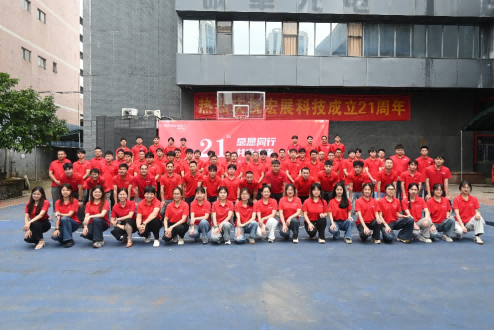
Early summer brings gentle breezes and thriving vitality. Time refines craftsmanship and forges extraordinary achievements. On May 4, 2026, Lab Companion officially celebrated its 21st anniversary. All team members gathered together to revisit the company’s extraordinary journey of perseverance and dedication, cherish the camaraderie built over the years, honor past achievements, and stride confidently toward a brand-new future. �� Morning Glow: Freezing Precious Moments and Reviewing Years of Dedication As the morning sunrise bathed the city in soft light, the grand celebration of Lab Companion kicked off. At 8:00 a.m., all employees assembled on-site in neat uniforms with sincere smiles. A group photo perfectly captured the precious collective memory and embodied the team’s unity and consistent dedication. During the subsequent summary speech, company leaders reviewed the firm’s annual growth and 21 years of industry dedication. Lab Companion has achieved remarkable progress across core business segments: continuous technical iteration of rapid temperature change test chambers, market breakthroughs in ESS environmental stress screening equipment, and customized service upgrades for walk-in environmental test chambers. Rooted in the environmental test equipment industry, the company has won profound trust from clients in new energy and semiconductor sectors. Every technical innovation, product upgrade and successful project delivery embodies the exquisite craftsmanship and tireless efforts of every Lab Companion team member. Past endeavors lay a solid foundation for future progress. In the speech, the leadership recognized all employees’ hard work and reviewed the company’s growth and transformation. Meanwhile, the future development blueprint was clarified: adhering to innovation as the core and quality as the cornerstone, Lab Companion will keep polishing products, optimizing services, and writing a new chapter of high-quality corporate development. ☀️ Afternoon Gathering: Embracing Vitality and Passion As the afternoon sunshine grew warmer, the celebration atmosphere became increasingly vibrant. At 16:00, all staff arrived at the venue with anticipation and joy for this exclusive team gathering. Wonderful stage performances showcased the diverse charm and vitality of Lab Companion team members. Colleagues dedicated to R&D, production and customer service stepped onto the stage, presenting elaborate performances that demonstrated the team’s vibrant spirit, passion for life, and versatile excellence. The entire venue was filled with laughter and warmth, blending passion and tenderness perfectly. On this special occasion, departmental boundaries faded away, leaving only sincere camaraderie. Every round of applause represented mutual recognition, profound team spirit, and Lab Companion’s consistent mindset of uniting as one and striving upward. �� Evening Banquet: Toasting Together for a Shared Future As night fell and lights lit up, the anniversary dinner officially commenced. Stepping away from daily work busyness, all team members relaxed and gathered around the table, sharing work insights, life stories, joy and touching moments. Colleagues are dedicated partners in work and reliable companions on the journey of growth. Amid delicious food and warm conversations, everyone raised their glasses to toast Lab Companion’s glorious 21-year journey, the company’s steady growth, and every dedicated team member who persists and strives relentlessly. This heartwarming banquet vividly interprets the core philosophy of “One Lab Companion Family” and unites powerful synergy for long-term corporate development. At 19:00, the anniversary dinner concluded smoothly in a warm and pleasant atmosphere, marking a perfect end to Lab Companion’s 21st anniversary celebration. ✨ 21 Years of Persistent Dedication, Setting Sail for New Glory From 2005 to 2026, spanning 21 years of trials and growth, Lab Companion has evolved from an emerging startup to a well-established and reputable enterprise in the industry. Specializing in environmental test equipment, the company has always upheld the mission of delivering stable, reliable and efficient environmental testing solutions, with persistent focus on technological innovation, quality improvement and service iteration. Lab Companion has made continuous breakthroughs: optimizing temperature and humidity switching speed, developing energy-saving and noise-reduction technologies, manufacturing products compliant with GJB, IEC and GB industry standards, and providing customized one-stop solutions based on diverse client demands. Keeping pace with cutting-edge industry trends, the company has overcome multiple technical challenges and upgraded service systems. At present, Lab Companion’s products are widely applied in new energy, automotive electronics, semiconductors, AI computing and other core industries, establishing itself as a trusted long-term partner for global clients. Every client’s trust underpins our progress and fuels our sense of responsibility. Here, Lab Companion extends sincere gratitude to all team members, whose dedication and perseverance drive the company’s steady advancement; to all clients, whose consistent trust and support enable our continuous growth; and to all cooperative partners, whose solid collaboration helps us expand our global footprint. The 21st anniversary is not a finishing line, but a brand-new starting point. In the future, Lab Companion will adhere to the core philosophy of Exquisite Equipment, Thoughtful Service. We will continue to specialize in environmental test equipment, iterate technologies and products, upgrade comprehensive services, and repay every trust with professional capabilities and dedicated attitudes. Twenty-one years of perseverance paves the way for future brilliance. United as one, all Lab Companion members will forge ahead hand in hand and create greater glory in the next chapter!
SABER MAIS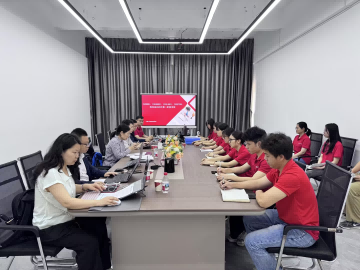
Recently, Lab Companion has successfully completed the annual surveillance audit of four ISO management systems. The company has long held the certification of the four ISO systems. Entrusted by China Quality Certification Center (CQC), a senior expert audit team conducted the annual audit in two phases. The first-stage audit was carried out on March 9–10, 2026, and the comprehensive second-stage audit was completed on March 19–20, 2026. After rigorous, detailed and comprehensive evaluation, the expert group confirmed that the company’s ISO 9001 Quality Management System, ISO 14001 Environmental Management System, ISO 45001 Occupational Health and Safety Management System, and ISO 27001 Information Security Management System maintain effective operation, fully complying with international standards and the company’s actual business and operation requirements. Lab Companion officially passed the annual audit with excellent performance. The audit covered all functional departments, production workshops and other core business areas of the company. By means of document review, on-site inspection, employee interviews and record verification, the audit team conducted an in-depth overall assessment on the suitability, adequacy and effectiveness of the four management systems. The focus was placed on the sustainability, compliance and continuous improvement of system operation. Covering quality control procedures, environmental compliance management, occupational health and safety protection as well as information security assurance, the expert team spoke highly of the standardization of system implementation and its deep integration with production and operation. It was unanimously recognized that Lab Companion boasts a sound management system framework and solid implementation of regulations, continuously meeting international standard requirements. The smooth passage of the four-system annual audit is an authoritative recognition of Lab Companion’s adherence to standardized and refined management. It marks that the company’s management level in four core areas — product quality, green production, occupational safety and information security — remains fully aligned with international standards and maintains a stable and effective operation status. This achievement further consolidates the foundation of the company’s management system, enhances overall market competitiveness and brand credibility, and provides solid support for compliant operation and high-quality sustainable development. Moving forward, Lab Companion will take this annual audit as a new starting point. The company will further strengthen the construction and implementation of the ISO management systems, strictly follow the improvement suggestions put forward by the audit team, continuously optimize management processes and strengthen executive capability. With outstanding standardized management, Lab Companion will continue to deliver high-quality products and professional services to global customers, and contribute to the high-quality development of the industry.
SABER MAIS


 Obter uma cotação
 Rede IPv6 suportada